
Happiest Kid in the World
by Ryan Krzykowski
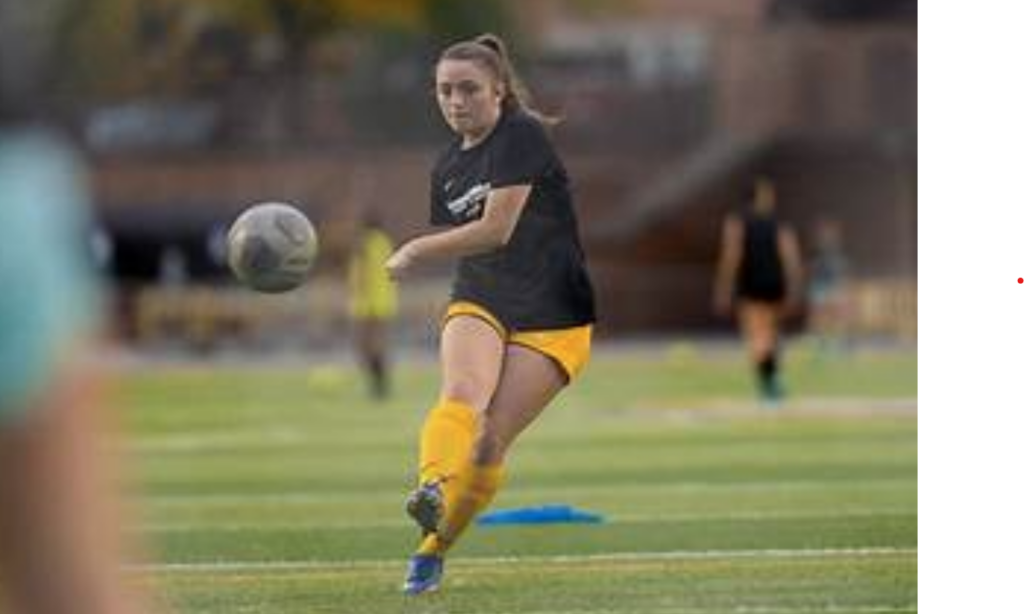 The Coaching Life Group I’m participating in decided to read What Drives Winning by Brett Ledbetter. The book is eleven years old at this point, but it’s new to me, and I’m finding it incredible. We’ve only gotten a few chapters under our belts, but the conversations have been so good. Right in chapter 1, entitled Person>Player, we find this gem that hit me right between the eyes. It speaks to the fleeting happiness that athletic (or probably just about any type of) achievement often provides. Ledbetter details a conversation with a 19-year-old college soccer player named Blakely, a young woman who had achieved a great deal of recognition in her sport and was struggling with feelings of emptiness and lack of fulfillment.
Ledbetter: “What if I met you when you were thirteen years old and I told you that by nineteen you would have a Division 1 scholarship, be the national freshman of the year, and a starter on the national U20 team?”
Blakely: “I’d be the happiest girl alive.”
Ledbetter: “Are you the happiest girl alive?”
Blakely: “No.”
Developing this idea, Ledbetter defines happiness as short-term pleasure and fulfillment as satisfaction that comes from developing one’s ability or character. He writes, “In other words, when we start to prioritize the growth of who we are becoming as a person (over the result) that’s where we find fulfillment. That’s how we overcome the feeling of being empty.”
Sixty pages later, we read an exchange between Ledbetter and a college golfer named Kenny.
Ledbetter: “If I would have met you when you were thirteen years old and I would have told you that you would be in the exact position you are in right now (he’s the best player on a really good team), would that make you happy?”
Kenny: “Yes.”
Ledbetter: “Are you happy?”
Kenny: “No.”
Ledbetter: “Why not?”
Kenny: (after some silence) “I don’t know.”
Ledbetter then writes about helping Kenny understand the distinction between Kenny the golfer and Kenny the person, and how his relationship with his sport impacts the way he feels about himself and his life. There’s so much here, so much we can use to help the young people we serve. We likely don’t have time to have these types of conversations with every single one of our athletes. But we can carry this awareness of how athletes see themselves, and the sometimes complicated relationships they have with their sports, into all of our interactions with them.
And there may be times when the Blakelys or Kennys of the world show up on our teams, giving us an opportunity to have that conversation: the “What if I had told you at age thirteen all you would accomplish by now?” conversation.
We can help them recognize the great things they’ve accomplished and feel good about those achievements. But we can also help them understand that there will always be new athletic goals to chase, new milestones to reach, and new definitions of success to pursue. If we tie our sense of worth to those accomplishments, we’ll always be chasing the next thing. Our value as human beings, however, has nothing to do with whether we reach those goals.
Let’s Coach With Purpose…
Powerful excerpts shared…ordering a copy.